

Kuyalnik Estuary: A Chance for Revival?
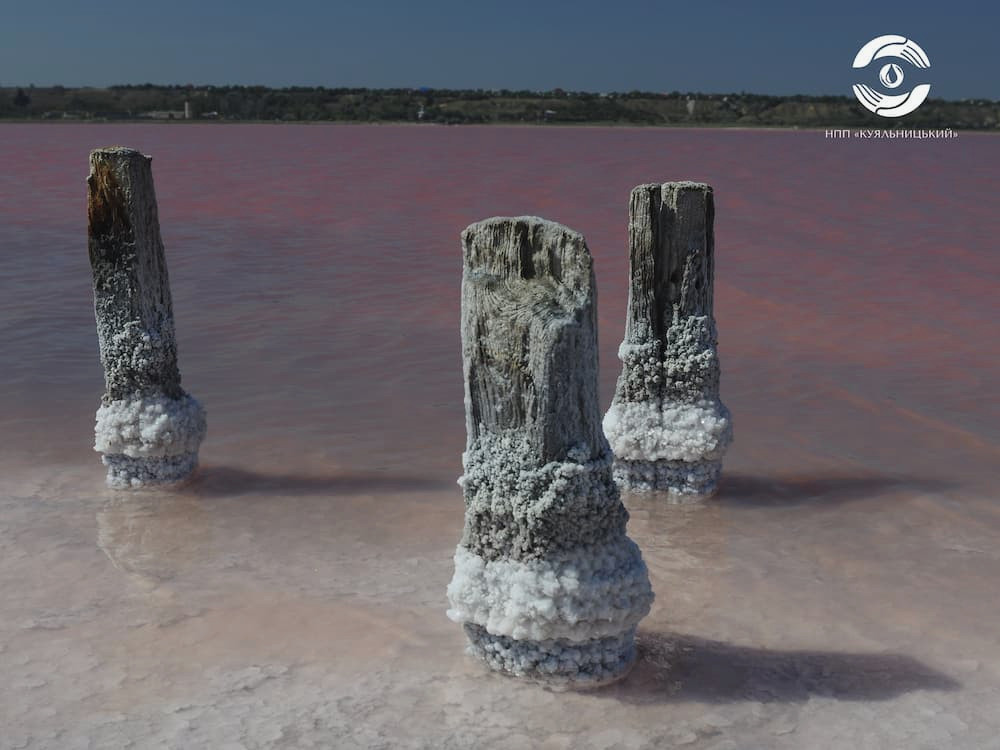
This summer, the Kuyalnik Estuary has turned into a salt desert, as the heat evaporated its shallow waters. The bottom of the water body is covered with a thick layer of salt, and now it can be collected by the bags. Is complete drying out threatening this unique estuary, and what are the ways to save it, are being studied by experts from the National Natural Park 'Kuyalnik'.
The drying up of the estuary has become a common occurrence. The river Great Kuyalnik, which once flowed into the estuary, has practically disappeared. One of the reasons is illegal sand mining, as well as climate change that has caused increased evaporation.
In 2020, the estuary was also covered with a salt crust, and concerned residents of Odessa, visiting the estuary, called for gathering salt, just as the packers once did.
Salt accumulation in the estuary is a seasonal phenomenon. The lack of rainfall and the high summer temperatures caused it to dry up again. Due to its high salinity, crystallized salt can be found here, which may turn pink due to unicellular algae called Dunaliella. These algae produce beta-carotene, which helps them survive in extreme conditions. The pink color also arises from the halobacteria, which contain the pigment bacteriorhodopsin.
The estuary takes on a pink hue in hot weather, and the accumulation of algal biomass enriches its therapeutic mud with active components.
The therapeutic properties will not disappear, but desalination is needed, experts emphasize.
The unique estuary is currently not at risk of disappearing. The drop in temperature and increased precipitation in autumn will contribute to restoring its water balance. In winter, a hydraulic structure is planned to supply seawater from the Black Sea to the estuary. It must reach a temperature no higher than +8°C to prevent the reproduction of unwanted algae.
Meanwhile, the National Natural Park 'Kuyalnik' has formed a working group to look for solutions regarding the flooding and desalination of the estuary. Various options are being considered, including:
- installing salinity filters;
- salt extraction, which will reduce its concentration;
- sending treated water from the Khadjibey Estuary;
- adding treated wastewater from Odessa;
- pumping water directly from the Dniester, although this project is very costly.
It may be a combination of these solutions, park officials believe.
The State Ecological Inspectorate will monitor the condition of the estuary and inform the public about changes.
Meanwhile, residents of Odessa are rushing to admire the fantastic landscapes of this unique 'pink wonder' of Odessa region.